

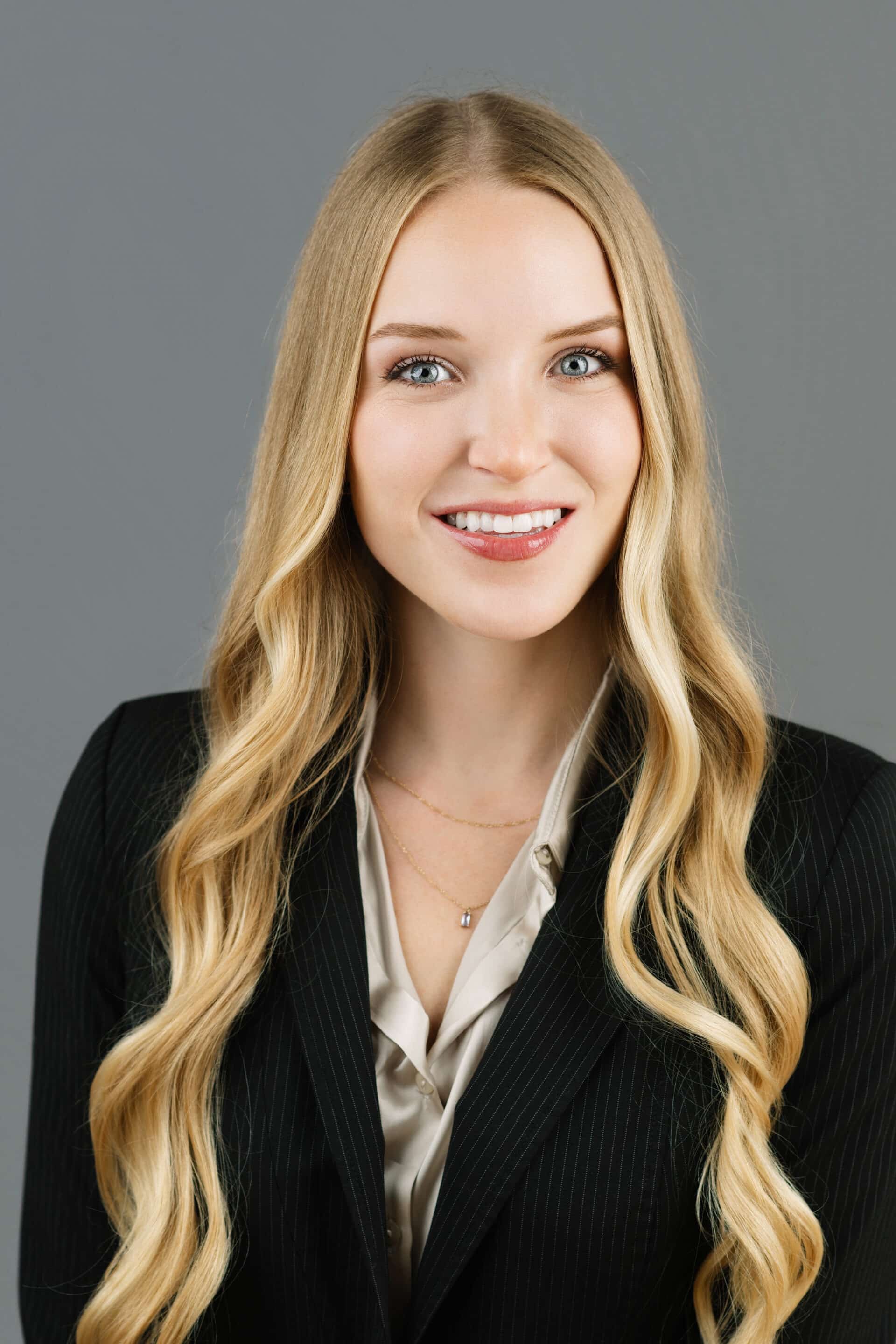
 Which program did you choose for your Physician Assistant studies, and why did it make the top of your list? I proudly attended Florida State University’s College of Medicine School of Physician Assistant Practice. What drew me to the program most was its commitment to serving underserved communities and building genuine relationships with patients. Through initiatives like HOME Street Medicine, an outreach program providing care to unhoused individuals alongside social workers, faculty, and students, I saw how meaningful medicine can be when it reaches people where they are.
During the PA school interview process, I was often told, “You’ll know when you find the right school because it will feel right.” At first, that idea seemed impossible to me. How could an interview process that shapes your future career ever feel comfortable? But the moment I met the staff at FSU, I understood exactly what people meant. The process felt welcoming, supportive, and genuine, and attending the university became an incredibly meaningful experience for me both personally and professionally.
Tell us more about how you came to choose the field of medicine. What about becoming a PA was attractive? I have always had a strong interest in health and fitness, which led me to pursue undergraduate degrees in Dietetics and Exercise Physiology. At one point, I truly believed proper diet and exercise could prevent nearly every illness. While those foundations remain incredibly important, I eventually realized there was another critical piece to the puzzle: medicine.
As I researched the PA profession, including its scope of practice and collaborative training model, I quickly realized it was the perfect fit for me. I was drawn to the opportunity to work across specialties, continuously learn throughout my career, and play an active role in diagnosing and treating patients. I also appreciated being able to incorporate my background in preventive health into a whole-person, team-based approach to care. Most importantly, becoming a PA would allow me to advocate for patients and give a voice to those who may feel unheard.
How did you choose Emergency Medicine as your specialty? I never really doubted that I would end up practicing Emergency Medicine. I entered PA school saying I would pursue EM, and I graduated feeling the same way. There was a brief period when psychiatric emergency medicine nearly swayed me, but I ultimately found my way back to the emergency department.
What draws me most to Emergency Medicine is the breadth and depth of knowledge it requires. Patients come from every walk of life, often during moments of fear or crisis, and we have the opportunity to provide clarity, stability, and reassurance. There is something deeply rewarding about helping patients navigate difficult moments and working toward solutions that can truly impact their lives.
What do you enjoy most about your day-to-day practice? I enjoy the variety of emergency medicine most of all. The constant movement of patients, staff, and diagnostics creates an environment that I find both energizing and fascinating. No two shifts are ever the same, and that keeps me motivated and engaged every day.
Equally meaningful is the camaraderie within the emergency department. It takes countless professionals across multiple disciplines working together toward a shared goal of delivering exceptional patient care, and I truly value being part of that collaborative environment.
What led you to practice with MEMA? As someone who likes to plan ahead, I did a deep dive into everything MEMA before applying. The more I learned, the more it became clear that the organization aligned perfectly with what I was looking for in both a career and a workplace. The opportunity to care for diverse patient populations, from rural communities at Rowan to high-acuity trauma patients at Presbyterian, combined with MEMA’s commitment to clinical excellence and compassionate care, made the decision feel easy.
What truly set MEMA apart for me was its investment in new providers through a structured six-month training program. That level of mentorship reflects a culture that prioritizes both patient outcomes and provider growth. It felt like exactly the kind of environment where I could continue learning, grow as a clinician, and build a long-term career.
Has there been one patient, staff member, or caregiver story that has stuck with you? The moments that stay with me most are often the simple moments of understanding. Taking extra time to explain a diagnosis or care plan in plain language and watching the fear or anxiety lift from a patient or family member in real time can have an incredible impact. Those moments form the foundation of trust between patients and providers.
One patient encounter that especially stayed with me involved a woman who presented with severe abdominal pain, significant unintentional weight loss, and elevated liver function tests. Despite a prior cholecystectomy, her presentation strongly suggested gallbladder pathology. Imaging results were not entirely clear, but the team continued investigating because the patient’s symptoms and story did not fully align with the initial findings. Ultimately, exploratory surgery revealed retained gallbladder tissue caused by abnormal biliary anatomy, and she underwent a repeat cholecystectomy.
That case reinforced an important lesson for me: patients are far more than their charts, imaging results, or medical histories. Excellent medicine requires both knowledge and humility. When we slow down, listen carefully, and trust what patients are telling us, we create space for the right answers to emerge.
What are some of the biggest challenges of practicing in the emergency department? Emergency Medicine means meeting people on some of the worst days of their lives, often with very little time to earn their trust. One of the greatest challenges is balancing the fast pace of the emergency department with maintaining a meaningful presence at the bedside. The ED rarely offers the luxury of having a complete clinical picture, so learning to make calm, thoughtful, and decisive care plans with limited information is a skill I look forward to continuing to develop throughout my career.
Are you a member of any associations, societies, or organizations? Any leadership roles? I am an active member of the Society of Emergency Medicine Physician Assistants (SEMPA), Surfers for Autism, Mensa, and USA Triathlon (USAT). While attending FSU, I also served as Vice President of HOME Street Medicine, an organization focused on bridging the gap between vulnerable populations and access to healthcare.
Have you received any awards or recognition from your peers? My most recent research project, which examined ADHD as a potential early predictor of Parkinson’s disease, was nominated by my campus and selected for presentation at the state capital in Tallahassee.
What about Charlotte excites you? What excites me most about Charlotte is the balance it offers. It has the energy and opportunities of a larger city while still feeling approachable and welcoming. Coming from a small beach town, I knew I wanted somewhere vibrant without feeling overwhelming, and Charlotte feels like the perfect middle ground.
I also love the city’s strong outdoor culture, beautiful scenery, mild climate, and proximity to activities like rafting, which is one of my favorite hobbies. Beyond that, moving to a new city brings an exciting sense of adventure, and everyone I have met here has been incredibly welcoming.
Do you have any hobbies, interests, or secret powers that are unique to you? In a very unexpected turn of events, I have spent the time between graduation and employment diving deep into the world of clam farming. My father and I have spent countless hours building barges, sifting baby clams, and measuring salinity levels. We are now the proud owners of 10 million microscopic clams, so if anyone has questions about the 1–4 millimeter stage of clam development, I am apparently your person.
Outside of clam farming, I have also been soaking up some of my favorite Florida hobbies, including hydrofoil sailing and surfing, spearfishing, and open-water swim races.