

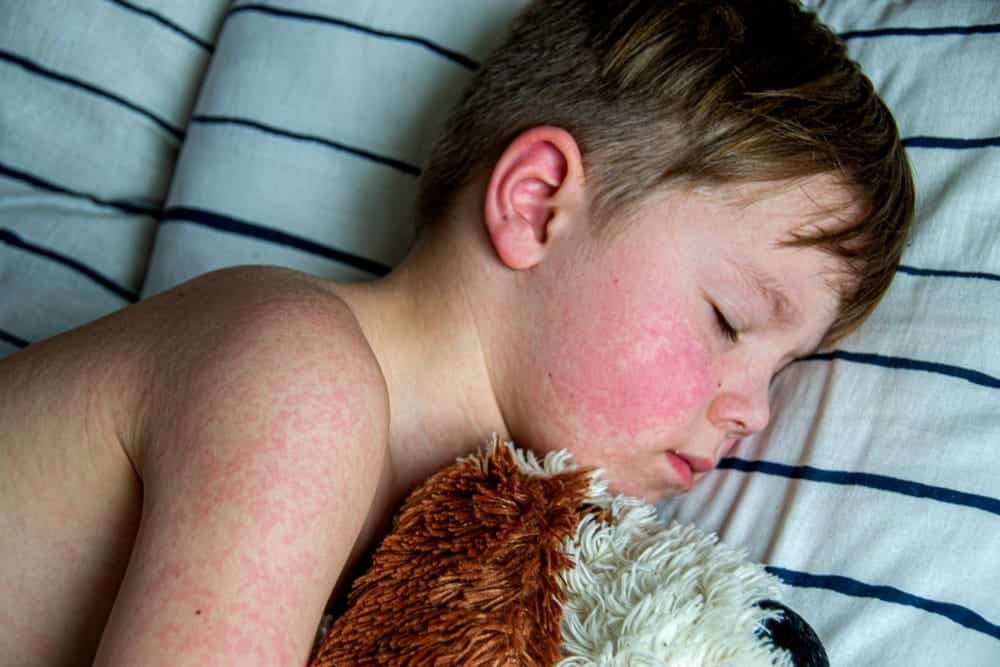
Measles virus (Rubeola) is a HIGHLY contagious virus. It can cause symptoms of cough, fever, rash, and coryza (cold symptoms like runny nose), conjunctivitis (“pink eye”), and Koplik spots (white spots in the mouth). It is 15x more contagious than influenza (the flu) and 3-5x more contagious than COVID-19.
Lots of illnesses are contagious, what makes measles so dangerous?
Measles is usually mild—just a “bad cold”—but in babies, the elderly, immunocompromised, or pregnant measles can cause severe illness, such as pneumonia, infection of the brain (encephalitis), and death. Measles can also cause “immune amnesia” a term meaning the body forgets how to fight off other infections after having measles. This means someone could be at risk of all kinds of infections after having measles.
Measles…Why Now?
Measles cases are on the rise right now in the U.S. and in other parts of the developed world due to a drop in herd immunity. Herd immunity is when the large number of people protected against an infection protect those around them who are not or cannot be protected on their own, such as infants < 12 months and immunocompromised individuals. Since the early 2020s, partially due to a drop in routine healthcare visits during the COVID-19 pandemic, vaccine coverage among children fell dramatically. And, because measles is so contagious this drop in protection leads to a significant rise in cases of the disease.
How can you be protected against measles?
The vaccine for measles is a 2-dose series. The vaccine provides lifelong immunity. It has been part of standard vaccines for children in the U.S. for more than 60 years. In that time, cases of measles in the U.S. at one point were so low (circa 2000), that many effectively said measles was ERADICATED. The U.S. can get back to that state today, but every vaccinated individual matters!
- The first MMR vaccine is given at 12-15months* 94% effective
- The second MMR vaccine is given at 4-6 years. 97% effective
YOU CAN STILL GET MEASLES VACCINES AT ANY TIME, even if you missed these ages!
What should you do if you think you have measles?
1. Go to the emergency department or call 911 for severe difficulty breathing, signs or symptoms of dehydration (such as dry mouth or less urine), confusion, or if you are immunocompromised, under 2 months old, or otherwise worried about severe symptoms.
2. Call your primary care physician or the local health department, who can help arrange testing without exposing others.
3. If you must seek medical attention, keep a mask on at all times and disclose your concern about measles immediately so others are not exposed.
*Healthy children may even get it as early as 6 months if they or their family will be travelling internationally, domestically to an area with an outbreak of measles, or if they have been around someone with measles).
Sources:
- Measles – Region of the Americas-World Health Organization
- Clinician Update on Measles Cases and Outbreaks in the United States | COCA | CDC
- Sanchez, D. J. (2024). Measles virus: Continued outbreaks while striving for eradication. Virulence, 15(1). https://doi.org/10.1080/21505594.2024.2386022